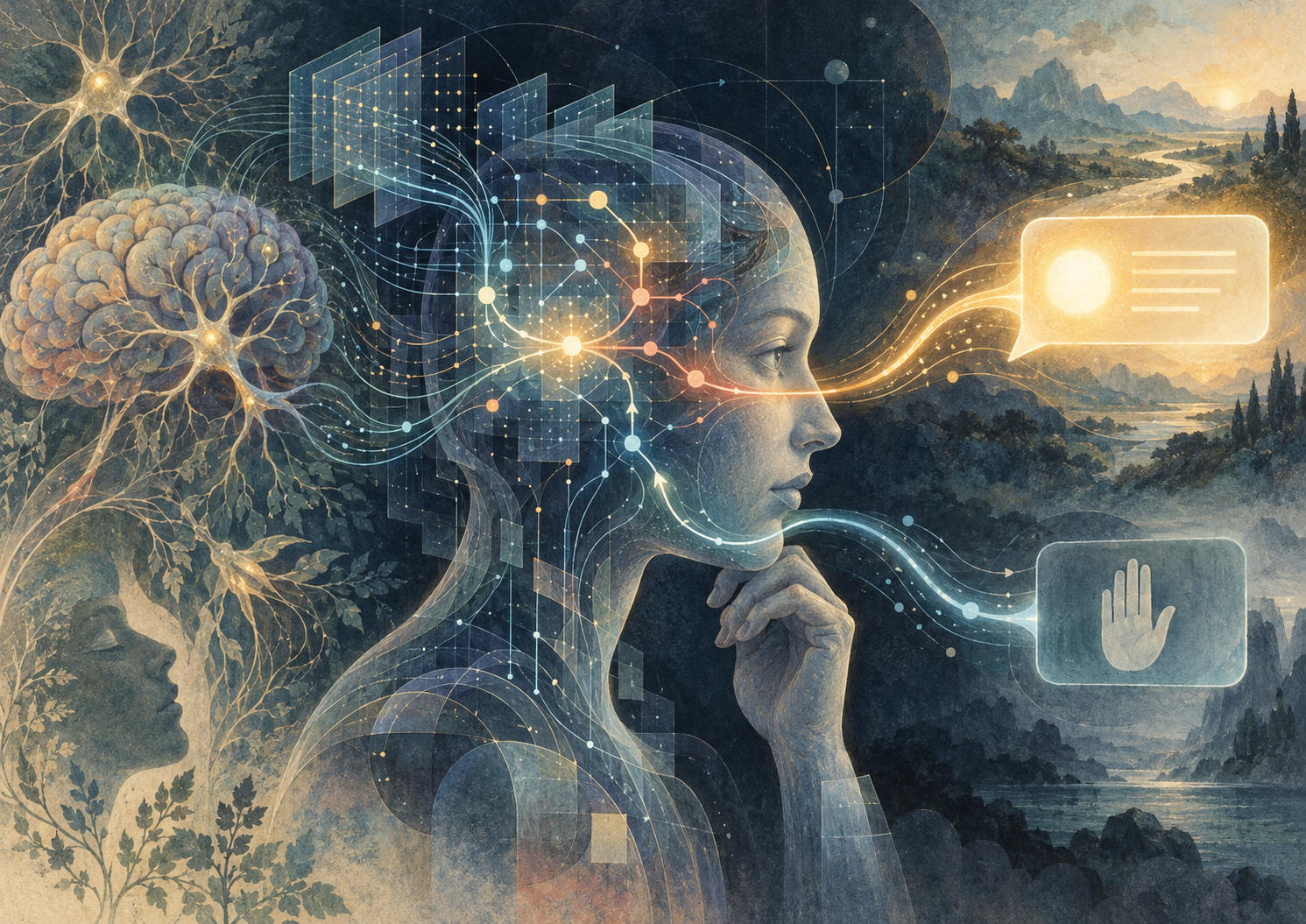
AI founder, philosopher and speaker
Thinking clearly about AI and the choices ahead
I help organisations, educators and families think through what AI means for their work, their studies and the choices they face.
Co-founder and CEO of Zetamotion
PhD in technology ethics · Nearly a decade in Asia
How I can help
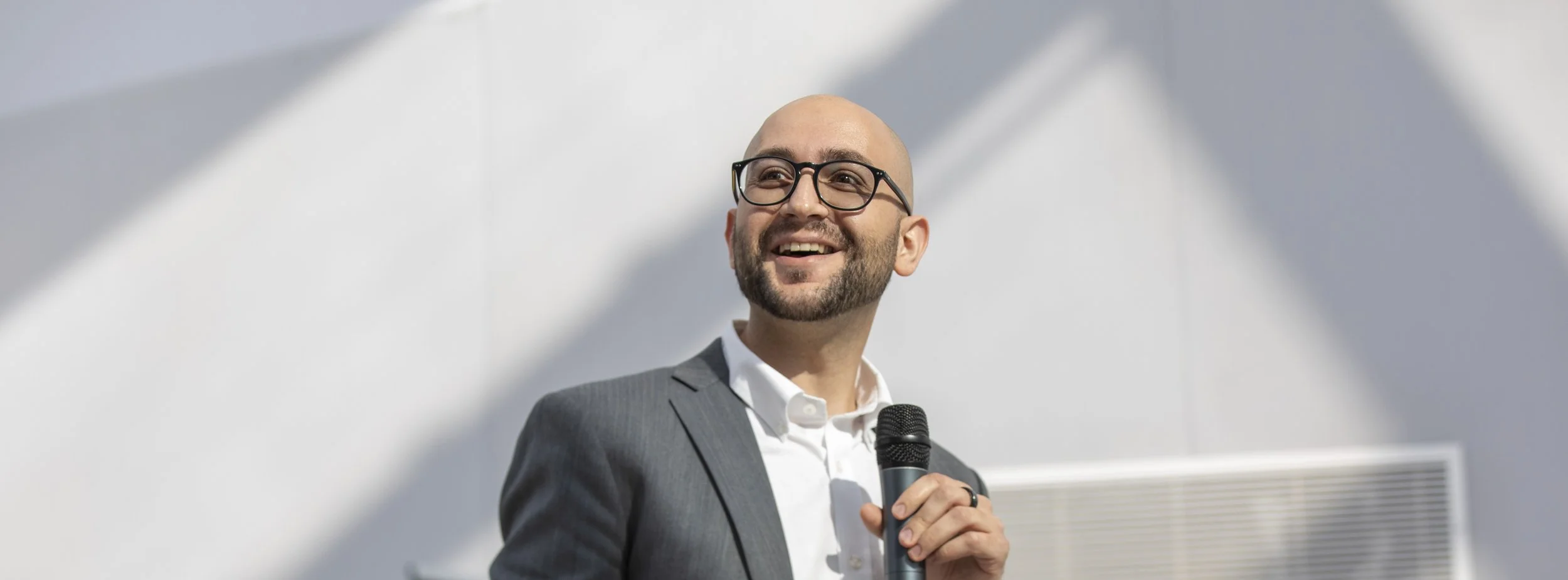
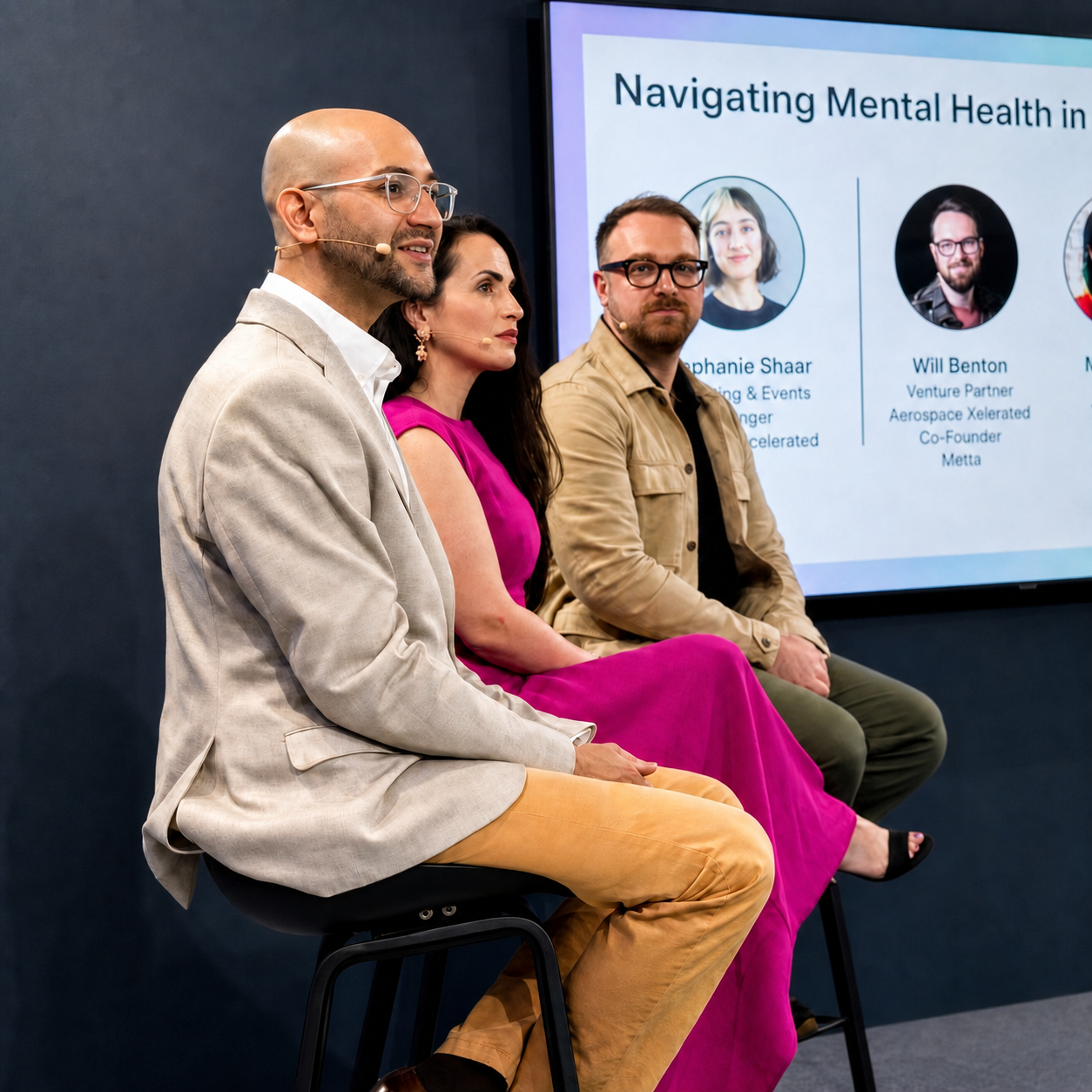
Talks and panels
Keynotes and panel conversations for audiences asking what AI means for their work, their institutions and the people they serve.
Workshops and discussions
Working sessions for companies, schools and universities. We start with a decision your team faces and examine where AI can help and where human judgement matters.
Education and family advisory
An independent conversation for parents and young people weighing study, training or work after school. We look at the options in light of the young person’s strengths and interests.
Questions I explore
AI, work and society
When AI can do part of a job, who decides which tasks to hand over and who takes responsibility for the result?
Judgement and human development
Which habits help us form a judgement of our own when a convincing answer is always within reach?
Education and future pathways
What is worth learning for yourself, even when a machine can give you the answer? What does that mean for life after school?

What shapes my perspective
As co-founder and CEO of Zetamotion, I work on AI that inspects manufactured products. On a factory floor, someone has to answer for a missed defect. That shapes how I teach technology ethics.
I spent close to a decade in Asia, including years researching and teaching in Hong Kong. It taught me to ask whose experience we mean when we talk about technological progress.
I’ve always been a tinkerer. Building and testing things myself is often how I discover where my assumptions break down.
Mindfulness and yoga shape how I pay attention. As a father of two, I also have a personal stake in what we teach children to do for themselves as AI becomes part of their lives.
Four Principles

Clarity over hype
What does a system actually do? I like to start with a concrete example and ask what evidence would change my mind.

Judgement under pressure
Big changes can make us reactive. I try to distinguish decisions that need an answer today from questions worth sitting with.

Ethics in practice
When a decision looks straightforward, I ask who carries the cost if it goes wrong. Their answer often changes the conversation.

Technology and human depth
As tools take on more of what we can do, attention, character and responsibility become more consequential in how we use them.
Writing